
A New-Build Hotel Owner’s Guide to Guest Room Management Systems
For new-build hotels, guest room management systems are no longer just a nice technical add-on. They are a practical part of designing a hotel that feels modern, runs efficiently, and supports a better guest experience from day one.
TL;DR - Key takeaways on Guest Room Management Systems (GRMS)
Guest room management systems help new-build hotels improve comfort, control, and operational efficiency.
Planning early matters because GRMS needs to work with the hotel’s layout, wiring, and other systems.
A good system should support both the guest experience and the hotel team’s workflow.
New-build projects benefit most when GRMS is considered alongside room automation, access control, and energy management.
Hotel owners should look beyond hardware and consider integration, maintenance, and long-term support.
Why GRMS matters in a new-build hotel
When a hotel is still in the planning stage, every design decision has a long-term impact. Guest room management systems affect how a room feels to the guest, how easy it is to manage for staff, and how efficiently the property uses energy. That makes GRMS an important part of the early conversation, not something to add later as an afterthought.
For hotel owners, the value of GRMS is in consistency. It helps create rooms that behave in a more controlled and predictable way, which supports a more polished guest experience. At the same time, it gives the hotel team better visibility and control behind the scenes.
Start planning early
One of the biggest advantages of a new-build project is the ability to plan technology properly from the beginning. GRMS works best when it is considered during design, not after the rooms are already built. Early planning helps ensure the system fits the room layout, electrical design, and operational requirements of the hotel.
This is especially important for hotels that want guest room control to work smoothly with lighting, air-conditioning, curtains, access control, and energy-saving features. If these systems are not planned together, the result can be unnecessary complexity later on. Early coordination reduces risk and helps avoid expensive changes during construction.

Focus on the guest experience
A guest room management system should make the room feel more intuitive, not more complicated. Guests should be able to adjust their room environment easily, whether that means lighting, temperature, or other in-room functions. When the experience feels simple and responsive, the hotel appears more refined and professional.
For owners of new-build properties, this matters because first impressions are lasting. A room that feels thoughtfully designed creates confidence in the overall hotel brand. GRMS helps support that impression by making the room more comfortable and more consistent from guest to guest.
Support hotel operations behind the scenes
While guests experience the room front and centre, the hotel team experiences the operational side. A good GRMS helps reduce manual work, improve room control, and support better coordination between departments. That can make a real difference for front office, housekeeping, and engineering teams.
For example, systems that can respond to occupancy or room status can help reduce energy waste when rooms are not in use. They can also make it easier for staff to manage room conditions across the property. For owners, that means the system contributes not only to the guest experience, but also to the hotel’s overall efficiency.
Think beyond one system
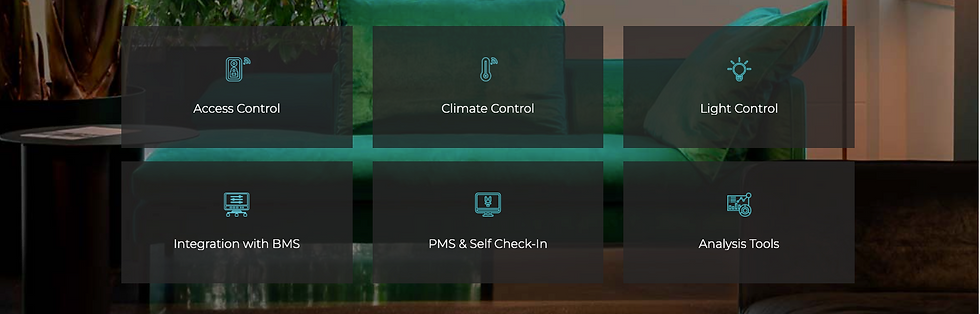
A guest room management system should not sit in isolation. In a new-build hotel, it usually works best when it is integrated with other hotel technologies such as door locks, energy management systems, and property management systems. The more smoothly these systems work together, the easier the property is to operate.
This is one reason why choosing the right technology partner matters. The goal is not just to install devices in the room. It is to create a connected environment that supports the hotel’s daily operations and long-term performance. A well-integrated system is usually easier for teams to manage and more reliable for the guest.
Consider maintenance and support
Hotel owners often focus first on features, but support matters just as much. Even the best system needs commissioning, training, and ongoing maintenance. For a new-build project, it is important to know who will handle technical issues, how service requests will be managed, and whether support is available locally.
This becomes even more important after the hotel opens. Once guests begin using the rooms every day, reliability matters. The right GRMS should be backed by a partner who understands hotel operations and can support the property over time, not just during installation.
Choose a system that can grow with the hotel
A new-build hotel should be designed for the future, not only for opening day. That means choosing a guest room management system that can scale if the property expands, renovates, or adds new features later. A flexible system gives owners more room to adapt as guest expectations and operational needs change.
This is especially useful for hotel groups that may apply a consistent standard across multiple properties. If the system can be expanded or adapted more easily, it becomes a stronger long-term investment.
A practical investment for owners
For hotel owners, GRMS is not just about technology for technology’s sake. It is a practical investment in comfort, efficiency, and control. In a new-build hotel, the system helps set the tone for how the property will operate and how it will be experienced by guests from the very beginning.
When planned well, guest room management systems can support premium positioning without creating unnecessary complexity. That is what makes them so valuable in modern hotel projects.
FAQ
Q: What is a guest room management system?
A guest room management system helps control and coordinate in-room functions such as lighting, temperature, and other room features.
Q: Why should GRMS be planned during the design stage?
Because it needs to work with the hotel’s layout, wiring, and other building systems. Early planning helps avoid costly changes later.
Q: Is GRMS only useful for luxury hotels?
No. It can benefit a wide range of hotels, including mid-scale, upscale, and premium new-build properties.
Q: Does GRMS help with energy efficiency?
Yes. Many systems can reduce energy use by responding to occupancy or room status.
Q: What should hotel owners look for in a GRMS supplier?
They should look for integration capability, technical support, system reliability, and experience with hotel projects.
If you are planning a new-build hotel, GuestServ can help you explore the right guest room management system for your property. The right solution can improve guest comfort, support hotel operations, and give your project a stronger foundation from the start.
Request a consultation to discuss your new build hotel project with our team.


Comments